Zobrazují se příspěvky vyhledané k dotazu AI v pořadí podle relevance. Řadit podle data Zobrazit všechny příspěvky

1. února 2025

Best multiple LLM AI with the advantage of Pay As You Go

I have been searching for a long time Multiple LLM, PayAsYouGo under 10 - 25 USD


I was looking for the best AI model that I wouldn't have to pay for if I didn't use it, and especially one that provides multiple high-quality LLM AI models.

So far, I haven't found anything better. If anyone has found a better option, please share your suggestion in the comments.

In your suggestion, include a brief description of why your recommendation is of higher quality.

Thank you in advance.


Till now best Multiple or Aggregate LLM AI model is Nano GPT
Paid version: You can pay for Nano GPT as you go
Pay As You Go


If you want to pay less you can use my invitation redeem link or code for NanoGPT AI or LLM:  

https://nano-gpt.com/invite/H4jJDJ8a

Code: H4jJDJ8a

QR redeem code etc.


This is what the NanoGPT web interface looks like:


The list of LLM AI models offered by NanoGPT is almost unbelievably extensive:


2025 1st March  whole list:


 AI prompt Guru


T3  chat
https://t3.chat/chat/


New Updates:

AI Political Compass Scores

https://trackingai.org/political-test


Blog about one of the bests LLM comparison 

LMArena - An Open Platform for Human Preference Evals

https://blog.lmarena.ai/blog/


Monitoring IQ - Artificial Intelligence 

https://trackingai.org


The adventure of LLM (AI) development does not end (will probably never end) but continues:


https://x.com/lmarena_ai/status/1896675400916566357


If the mentioned Nano GPT model doesn't suit you, you might be interested about libraries:

If LLM (AI) doesn’t appeal to you, perhaps you would enjoy visiting a library more. Just keep in mind that reading as many books as AI draws from would take you ages.

Not interested in LLM (AI)? Then a classic library might be more tempting for you. Just remember that if you wanted to read as many books as AI, you wouldn’t have enough time in a lifetime.

If LLM (AI) isn’t to your taste, you might find traditional libraries more appealing. However, going through all the sources AI uses would be a task for many human generations.


Abbreviations for LLM: 


LLM – Large Language Model

GMLM – Generalized Masked Language Model

PLM – Pre-trained Language Model

TLM – Transformer-based Language Model

ULM – Universal Language Model

NLM – Neural Language Model


Abbreviations for Future Generations of AI:

AGI – Artificial General Intelligence (AI capable of reasoning and learning like a human)

ASI – Artificial Super Intelligence (AI surpassing human intelligence in all aspects)

SGI – Strong General Intelligence (advanced AGI with self-awareness and adaptability)

HAI – Human-level AI (AI performing tasks at the cognitive level of humans)

CAI – Conscious AI (AI with self-awareness and subjective experiences)

PAI – Personal AI (customized AI assistants tailored to individual users)

AAI – Autonomous AI (fully self-operating AI requiring no human supervision)

EAI – Ethical AI (AI designed to follow strict ethical and moral guidelines)

BAI – Biological AI (AI integrated with biological components or inspired by neuroscience)

GAI – Generative AI (next-gen AI capable of highly advanced creative outputs)

RAI – Recursive AI (self-improving AI that can refine its own architecture)

SAI – Sentient AI (AI with emotions, desires, and subjective experiences)


Multi AI
Multi LLM


11. června 2026

Invest Like the Best - Investing on the S-Curve - 477

Maybe some inspiration from:

Patrick O'Shaughnessy is the CEO of Positive Sum.

Guest: Alex Sacerdote, Founder and Portfolio Manager of Whale Rock Capital Management


# Why the AI Boom Is Just Getting Started - Key Points by Chapter

Source podcast: Invest Like the Best, Episode 477 - Investing on the S-Curve


TIMESTAMPS
0:00 Intro
9:55 AI's L-Curve
19:31 Whale Rock's S-Curve Playbook
26:14 Spotting Inflection Points
32:02 Finding AI Winners
40:04 AI vs Software
48:13 The Hardware Renaissance
58:04 Why Investors Miss AI
1:05:18 Whale Rock's Research Machine 


Only LLM / AI comment:

Note on probabilities:

The probabilities below are subjective estimates of whether each claim is directionally right over the next 2-4 years. They are not investment advice and they are not formal statistical confidence intervals.


## Short overview

Alex Sacerdote's central claim is not simply that AI will be big. His more specific claim is that AI is a new compute paradigm, with a new technology stack, new winners, and new bottlenecks.
Whale Rock's framework is to look for the intersection of three things: a powerful adoption curve, a durable competitive advantage, and underappreciated future earnings power.


Arguably, the strongest claims in the episode are:

- AI coding is the first major practical enterprise unlock.

- AI infrastructure and hardware are entering a new renaissance.

- Foundation models may become an oligopoly rather than a commodity market.

- Classic SaaS and application software face pressure from AI.

- The most durable investment opportunities appear where adoption, scarcity, and moats overlap.


## 0:00 - Intro, Anthropic, the AI stack, and coding as the first unlock


Sacerdote frames AI as a new compute paradigm. When ChatGPT launched in November 2022, Whale Rock began a broad research effort across the whole AI stack: power, chips, cloud, foundation models, and applications.


At first, the clearest investment area was chips and infrastructure, because every possible AI winner would need more compute. Over time, Sacerdote says the model layer began to look less like a pure commodity market and more like a small group of leading companies: OpenAI, Anthropic, and Google/Gemini.


The strongest specific case in this opening section is Anthropic. Sacerdote argues that Anthropic focused on enterprise use cases, built a strong position in coding, and developed a broader ecosystem around Claude, APIs, SDKs, orchestration, and related tools.


Probability estimates:


- AI coding as the first major enterprise unlock: 75-80%.

- Foundation model oligopoly: 55-65%.

- Anthropic maintaining a clear coding lead: 45-60%.


Short quotes to search in the transcript:


- "power at the bottom, chips at the bottom"

- "we want to be in the chips and the infrastructure first"

- "three-horse race"

- "the big kicker was code"


## 9:55 - AI's L-Curve


Sacerdote argues that normal AI usage today is still mostly AI 1.0: a better search engine, assistant, or productivity tool. The real enterprise transformation - agentic workflows, company-specific skills, bots, and AI agents working across systems - is still barely penetrated.


For this reason, he says AI is not behaving like a normal S-curve. He calls it an L-curve, meaning a very sharp move upward from a tiny base. He also stresses the compute bottleneck: if enterprise AI is still early and compute is already scarce, demand may remain intense.


Probability estimates:


- Real agentic enterprise AI adoption is still early: 70-80%.

- Compute scarcity remains material for several years: 65-80%.


Short quotes to search in the transcript:


- "AI 1.0"

- "search engine on steroids"

- "10 bips of the knowledge workers"

- "less than 1% penetrated"

- "not enough compute in the world"


## 19:31 - Whale Rock's S-Curve Playbook


Whale Rock's core investment framework has three parts:


- S-curve

- Competitive advantage

- Underappreciated earnings power


The argument is that when a company reaches the steep part of a technology adoption curve, and also has a strong business model, earnings can grow nonlinearly. Sacerdote says investors often underprice this because markets are focused on the next quarter or the next year, not on what the earnings base might look like 2-4 years out.


He also emphasizes that the key question is not only whether a technology is growing. The harder question is how high the S-curve can go. In other words: how large is the final market, what penetration is realistic, and when does the curve stop being exponential?


Probability estimates:


- S-curves are a useful framework for technology platform shifts: 80-90%.

- Investors can reliably forecast 2-4 years out in specific technology curves: 45-60%.


Short quotes to search in the transcript:


- "S-curve"

- "competitive advantage"

- "underappreciated earnings power"

- "earnings don't grow linearly"

- "the world doesn't think exponentially"

- "how tall, how big is this S-curve"


## 26:14 - Spotting Inflection Points


Sacerdote says inflection points are often not visible in clean financial data at first. They show up through field evidence, customer conversations, conference behavior, supplier checks, and anecdotal signals.


He gives examples from mobile gaming, Splunk, VMware, and AWS. In these cases, the key signal was not just revenue growth, but visible demand pressure: crowded rooms, urgent customer interest, and obvious changes in user behavior.


He also argues that investors do not need to catch the very first year of a major S-curve. If the final market is large enough, being late by the first 100% can still leave a very long runway.


Probability estimates:


- Field research beats pure financial data at early inflection points: 70-85%.

- AI adoption can be faster than cloud or SaaS because access is simpler: 60-75%.


Short quotes to search in the transcript:


- "you can't trust the data"

- "intuition, anecdotal evidence"

- "standing room only"

- "it's okay to be late"


## 32:02 - Finding AI Winners


Sacerdote stresses that a great S-curve is not enough. A company also needs a moat. He lists several types of competitive advantage: network effects, scale, industry standard status, platform status, critical IP, brand, and distribution.


In AI, he thinks frontier model companies may develop moats through scale, compute access, enterprise trust, coding performance, feedback loops, and the ecosystem around the API. He still admits AI is faster moving and more complex than prior S-curves, so the risk is higher.


Probability estimates:


- Frontier AI companies will have durable moats: 60-75%.

- Leader-takes-most dynamics will be strong in AI: 50-65%.

- Open source fully commoditizes frontier models: 25-45%.


Short quotes to search in the transcript:


- "very powerful competitive advantage"

- "network effect"

- "critical intellectual property"

- "the leader goes bigger, faster, and wins"


## 40:04 - AI vs Software


This is one of the most negative sections for classic software. Sacerdote says Whale Rock previously had a large software allocation, but sold most of it and was even net short software at one point.


The reasons are clear: incumbent software companies have not yet created AI products that materially move revenue, CIO budgets are shifting toward AI tokens and model usage, pricing power may weaken, and seat-based models could be hurt if companies freeze hiring or reduce headcount.


At the same time, Sacerdote does not say all software is doomed. Systems of record such as CRM, HR, Slack, Workday, and other deeply integrated platforms may become more important if AI agents operate through them.


Probability estimates:


- Traditional SaaS faces real AI pressure: 60-75%.

- Core ERP or CRM incumbents are rapidly replaced: 30-45%.

- Systems of record remain sticky and may benefit from agents: 65-80%.


Short quotes to search in the transcript:


- "AI products were not very good"

- "sold almost all of our software"

- "priority list of any CIO has fallen"

- "agents"

- "existing incumbent software tools"


## 48:13 - The Hardware Renaissance


This is probably the strongest and most concrete thesis in the episode. Sacerdote argues that AI is decommoditizing hardware. For decades, much of the data center hardware stack was relatively commoditized: servers, memory, networking, printed circuit boards, and contract manufacturing.


AI changes this because workloads push every layer of hardware toward physical limits. Sacerdote mentions high-bandwidth memory, liquid cooling, AI servers, Ethernet switching, printed circuit boards, optical fiber, copper and fiber interconnects, and power supplies.


The investment implication is that some suppliers may get higher unit growth, higher ASPs, better margins, and longer visibility than they had in the old commodity hardware cycle.


Probability estimates:

- AI hardware renaissance continues: 75-90%.

- Selected hardware suppliers remain decommoditized: 70-85%.

- Margins stay elevated for four years across the whole chain: 45-60%.


Short quotes to search in the transcript:


- "decommoditization of the hardware industry"

- "workloads are growing 10x every year"

- "high bandwidth memory"

- "shortages of everything"


## 58:04 - Why Investors Miss AI


Sacerdote says many investors miss AI because it is hard to think across the whole stack. A chip analyst may not understand model-layer demand. A software analyst may not understand infrastructure scarcity. A generalist may be scared by charts that have already moved up.


He also emphasizes that the bear cases are not stupid. Real risks include regulation, public negativity toward AI, model progress slowing, open-source models catching up, and one or more major compute buyers reducing spending.


Probability estimates:


- Investors will continue missing some cross-stack AI winners: 60-75%.

- AI bull-case risks are material: 50-65%.

- Full AI model race to zero: 25-45%.


Short quotes to search in the transcript:


- "rate of change is very important"

- "it's harder than it seems"

- "holistic view"

- "if AI sort of slows down"


## 1:05:18 - Whale Rock's Research Machine


The final section is about process. Sacerdote describes Whale Rock as a learning machine built around experienced analysts, thousands of meetings, management relationships, supplier checks, customer calls, competitors, and other investors.


AI helps the research process. It can summarize, write notes, review quarters, and help analysts get up to speed on complex areas. But Sacerdote argues that AI does not replace judgment. The human analyst still has to answer what changed, why it matters, and how it affects the investment thesis.


Probability estimates:


- AI strongly augments investment research: 80-90%.

- AI fully replaces top analysts or portfolio managers soon: 20-35%.

- Human judgment plus AI plus field research remains superior: 75-85%.


Short quotes to search in the transcript:


- "not yet"

- "supplanting the job of the analysts"

- "scuttlebutt approach"

- "AI can be a great reporter"

- "can't quite pick into the future"


# How the probabilities were estimated


The probabilities are calibrated subjective estimates. They are based on three inputs:

- Base prior from earlier technology adoption cycles.

- Current empirical evidence from public sources.

- Risk discount for counterarguments and uncertainty.


## 1) AI hardware renaissance continues - estimated probability: 75-90%


Simple calculation:


- Base prior for a real infrastructure cycle: 60%.

- Add 15-20 percentage points because Nvidia's Q1 FY2027 results showed Data Center revenue of 75.2 billion USD, up 92% year over year, and Data Center networking revenue up 199% year over year.

- Add 5 percentage points from transcript evidence on shortages, supplier visibility, and decommoditization.

- Subtract 5-10 percentage points for cyclicality, export controls, power constraints, and future overcapacity risk.


Central estimate: about 80%.


Source:

https://investor.nvidia.com/news/press-release-details/2026/NVIDIA-Announces-Financial-Results-for-First-Quarter-Fiscal-2027/default.aspx


## 2) Coding is the first major AI enterprise unlock - estimated probability: 75-80%


Simple calculation:


- Base prior for developer tools being early AI adopters: 55%.

- Add 10 percentage points because Stack Overflow 2025 reports that 84% of respondents use or plan to use AI tools, and 51% of professional developers use them daily.

- Add 5-10 percentage points because a 2026 meta-analysis of 23 studies found a moderate positive productivity effect for generative AI coding tools.

- Subtract about 10 percentage points because METR's 2025 randomized trial found experienced open-source developers were 19% slower with early-2025 AI tools in mature codebases.


Central estimate: about 75%.


Sources:

https://survey.stackoverflow.co/2025/ai

https://arxiv.org/abs/2605.04779

https://arxiv.org/abs/2507.09089


## 3) Enterprise agentic AI is still early but rising fast - estimated probability: 70-80%


Simple calculation:


- Base prior: 55%.

- Add 10-15 percentage points because McKinsey 2025 reports that 23% of organizations are scaling agentic AI somewhere and 39% are experimenting.

- Add 5 percentage points because the Stanford AI Index 2026 reports continued frontier progress rather than a clear plateau.

- Subtract 5-10 percentage points because enterprise deployment barriers remain high: governance, security, verification, system integration, and trust.


Central estimate: about 75%.


Sources:

https://www.mckinsey.com/capabilities/quantumblack/our-insights/the-state-of-ai

https://hai.stanford.edu/ai-index/2026-ai-index-report


## 4) Foundation models become an oligopoly - estimated probability: 55-65%


Simple calculation:


- Base prior from cloud, search, and social concentration: 55%.

- Add 10 percentage points for capital intensity, compute scale, enterprise trust, brand, and tooling ecosystems.

- Add 5 percentage points because the Stanford AI Index 2026 says industry produced over 90% of notable frontier models in 2025, which supports the idea that frontier AI is institutionally concentrated.

- Subtract 10-15 percentage points for open-source models, open-weight models, sovereign AI, regulation, and possible model commoditization.


Central estimate: about 60%.


Source:

https://hai.stanford.edu/ai-index/2026-ai-index-report


## 5) Classic SaaS is under pressure from AI - estimated probability: 60-75%


Simple calculation:


- Base prior: 50%.

- Add 10 percentage points because Sacerdote describes weak incumbent AI monetization, budget pressure, and Whale Rock's own decision to sell most software exposure.

- Add 5-10 percentage points because AI coding tools reduce the cost of building internal or AI-native software.

- Subtract 10 percentage points because enterprise systems of record are sticky, heavily integrated, and may become more useful if AI agents operate through them.


Central estimate: about 65%.


Primary source:

https://colossus.com/episode/investing-on-the-s-curve/


# Final takeaway


Sacerdote's core argument is that AI is not only a product wave. It is a new compute stack. The most attractive opportunities are likely to appear where three things overlap: rapid adoption, scarce infrastructure, and durable competitive advantage.


In simple terms:


- Chips and infrastructure are the clearest current beneficiaries.

- Coding is the first major AI use case with visible enterprise value.

- Foundation models may become a concentrated oligopoly, but this is less certain.

- Classic SaaS faces pressure, but deeply embedded systems of record may survive or even gain importance.

- AI will help research, but judgment, fieldwork, and relationships still matter.


Main source:

https://colossus.com/episode/investing-on-the-s-curve/


Additional source:

https://www.capitalallocators.com/podcast/riding-s-curves-at-whale-rock/


Additional source:

https://medium.com/graham-and-doddsville/alex-sacerdote-of-whale-rock-capital-ee46fcbfd8eb


Additional source:

https://investor.nvidia.com/news/press-release-details/2026/NVIDIA-Announces-Financial-Results-for-First-Quarter-Fiscal-2027/default.aspx


Additional source:

https://survey.stackoverflow.co/2025/ai


Additional source:

https://arxiv.org/abs/2605.04779


Additional source:

https://arxiv.org/abs/2507.09089


Additional source:

https://www.mckinsey.com/capabilities/quantumblack/our-insights/the-state-of-ai


Additional source:

https://hai.stanford.edu/ai-index/2026-ai-index-report


Invest Like the Best with Patrick O'Shaughnessy

Spotify:

https://open.spotify.com/show/22fi0RqfoBACCuQDv97wFO 

Podbean.com

https://www.podbean.com/podcast-detail/dzrfa-442ac/Invest-Like-the-Best-with-Patrick-O%27Shaughnessy-Podcast 

Audio Podcast:

https://podcasts.apple.com/us/podcast/alex-sacerdote-how-to-invest-through-technology-cycles/id1154105909?i=1000771830675


Timestamps:

(00:00:00) Welcome to Invest Like The Best

(00:00:00) Welcome to Invest Like The Best

(00:02:29) Alex Sacerdote

(00:03:08) Anthropic: Highest Conviction Position

(00:13:23) Investing in Private Markets at Scale

(00:19:08) S-Curves: The Full Framework

(00:25:08) When to Buy Tech Companies

(00:30:20) Identifying the Leader from the Pack

(00:34:04) Anthropic & OpenAI's Competitive Moats

(00:37:31) AI's Threat to Enterprise Software

(00:43:18) Network Effects in the Agent Era

(00:44:22) The Hardware Renaissance: Chips & Infrastructure

(00:53:56) Why So Few Investors Get This Right

(00:55:36) Key Risks to the AI Bull Case

(00:57:47) The Application Layer

(00:59:40) How AI Is Changing Research at WhaleRock

(01:02:53) The Role of Investor Networks & Idea Sharing

(01:03:40) Building a Multi-Product Firm

(01:07:58) WhaleRock as a Learning Machine

(01:09:15) The Kindest Thing


LLM comment: 

AI Boom - Chapter Thesis and Possible Weaknesses

Source podcast:

Invest Like The Best - Why the AI Boom Is Just Getting Started

Guest: Alex Sacerdote, Whale Rock Capital Management


Format:

Each chapter includes:

1. Main thesis

2. Possible weakness, only where meaningful


(00:00:00) Welcome to Invest Like The Best


Main thesis:

AI is framed as a major new technology platform with an unusually steep adoption curve.


Possible weakness:

This opening is mostly framing and episode positioning, not a fully argued investment case.


(00:00:00) Welcome to Invest Like The Best


Main thesis:

The episode's main framework is S-curves, competitive advantage, and underappreciated future earnings power.


Possible weakness:

This partly overlaps with the first opening segment.


(00:02:29) Alex Sacerdote


Main thesis:

Sacerdote invests through long-term technology platform shifts and looks for companies that benefit from major adoption curves.


Possible weakness:

His perspective is strongly investor-centered and may underweight social, regulatory, and technical risks.


(00:03:08) Anthropic: Highest Conviction Position


Main thesis:

Anthropic is presented as a high-conviction AI investment because of its enterprise focus, Claude Code, and possible leadership in the model layer.


Possible weakness:

Anthropic's long-term leadership is uncertain because OpenAI, Google, and open-source models can change the competitive order quickly.


(00:13:23) Investing in Private Markets at Scale


Main thesis:

Whale Rock can invest in private companies at scale through deep research, relationships, and the ability to be a long-term capital partner.


Possible weakness:

This approach mainly works for large specialized funds. Ordinary investors do not have the same access to information or allocations.


(00:19:08) S-Curves: The Full Framework


Main thesis:

The best returns come when a company is on the steep part of an S-curve, has a moat, and the market underestimates its future earnings power.


Possible weakness:

Estimating the final size of an S-curve and the real addressable market is highly uncertain.


(00:25:08) When to Buy Tech Companies


Main thesis:

An investor does not have to buy at the very beginning. If the S-curve is large enough, entering later can still leave a long runway.


Possible weakness:

Buying later often means a higher valuation and a higher risk that the market has already priced in the story.


(00:30:20) Identifying the Leader from the Pack


Main thesis:

Once a new platform starts, the key is to identify the company that separates from the pack and begins compounding advantages.


Possible weakness:

In AI, leadership may change faster than it did in cloud, e-commerce, or mobile.


(00:34:04) Anthropic & OpenAI's Competitive Moats


Main thesis:

Foundation model companies may build moats through compute scale, brand, enterprise trust, model quality, tooling, and feedback loops. 

Possible weakness:

If models become commoditized, or if open-source models catch up quickly, these moats could weaken.


(00:37:31) AI's Threat to Enterprise Software


Main thesis:

Traditional SaaS is under pressure because AI may shift CIO budgets, weaken pricing power, and challenge seat-based software models.


Possible weakness:

Enterprise software is sticky, deeply integrated, and often difficult to replace quickly.


(00:43:18) Network Effects in the Agent Era


Main thesis:

Systems such as Slack, CRM, HR platforms, and other enterprise tools may become more important if AI agents work through them.


Possible weakness:

They could also be reduced to back-end databases if agents bypass the human interface.


(00:44:22) The Hardware Renaissance: Chips & Infrastructure


Main thesis:

AI is decommoditizing hardware. HBM, networking, liquid cooling, PCBs, optics, power supplies, and AI servers are becoming more valuable.


Possible weakness:

Hardware cycles can still end in overcapacity, margin pressure, export controls, or regulatory constraints.


(00:53:56) Why So Few Investors Get This Right


Main thesis:

Many investors miss AI because they do not understand the full stack and are afraid to buy companies after large price moves.


Possible weakness:

A broad "whole stack" view can also create overconfidence and lead investors to ignore cyclicality.


(00:55:36) Key Risks to the AI Bull Case


Main thesis:

The main risks are regulation, public negativity, slower model progress, open-source competition, and a pullback from large compute buyers.


Possible weakness:

These are not minor risks. Any one of them could materially change the economics of the AI cycle.


(00:57:47) The Application Layer


Main thesis:

The AI application layer will probably become important later, but it is still unclear which companies will build durable moats.


Possible weakness:

If applications capture distribution and customer relationships faster than expected, infrastructure may become relatively less attractive.


(00:59:40) How AI Is Changing Research at WhaleRock


Main thesis:

AI helps with research, notes, summarization, and faster learning, but it does not yet replace investment judgment.


Possible weakness:

If AI research tools improve sharply, some of today's analytical edge may become commoditized.


(01:02:53) The Role of Investor Networks & Idea Sharing


Main thesis:

Sharing ideas with trusted investors improves conviction and decision quality.


Possible weakness:

A network of like-minded investors can become an echo chamber.


(01:03:40) Building a Multi-Product Firm


Main thesis:

Whale Rock expanded from long-short investing into long-only, private investments, hybrid funds, and mega-cap tech strategies.


Possible weakness:

More products can increase complexity and dilute the original specialization.


(01:07:58) WhaleRock as a Learning Machine


Main thesis:

Whale Rock's core advantage is its learning machine: an experienced team, thousands of meetings, and accumulated knowledge.


Possible weakness:

This model is expensive, people-dependent, and difficult to scale.


(01:09:15) The Kindest Thing


Main thesis:

Sacerdote describes his father's support and mentorship as the kindest and most important personal contribution to his career.


Possible weakness:

This is a personal and values-based segment, not an investment argument.


its all


31. srpna 2023

TOP AI Tools

TOP AI Tools - Best AI Tools - Top10 AI Tools


1. Jaký je hlavní téma článku?

2. Kdo je hlavní postava nebo osoba v článku?

3. Jaký je hlavní problém, se kterým se článek zabývá?

4. Co jsou hlavní události nebo okolnosti diskutované v článku?


Pochlubte se, k čemu používáte ChatGPT 
https://twitter.com/DavidGrudl/status/1724736711899451577


Web access copilot

HARPA AI | Automatizační agent s Claude & GPT

just [Alt+A] 

MaxAI.me: Používejte ChatGPT AI kdekoli online

just Cmd/Alt + J

https://www.maxai.me/prompts


LINER GPT: AI spolujezdec pro web a YouTube

https://getliner.com/en

Monica - Váš GPT-4 umělý inteligentní asistent

Ctrl+M

https://monica.im


Sider - ChatGPT Sidebar with GPT-4


www.Tammy.AI

chatgpt lawyer prompt

Skill Leap AI - Ultimate AI Learning Platform - YTO


Web Scraping with ChatGPT Code Interpreter is Mind-Blowing!

Web Scraping with ChatGPT Code Interpreter is Mind-Blowing!


#webscraping tool and service provider #webscraper
https://twitter.com/Octoparse


GPT: from scratch, in code 

https://www.youtube.com/results?search_query=GPT%3A+from+scratch%2C+in+code


Master the Perfect ChatGPT Prompt Formula - in just 8 minutes YouTube

ChatGPT - Advanced Data Analysis  -  old Code Interpreter


www.ToolPilot.ai - Find AI Tools By Category


https://platform.openai.com


Windows - DoNotSpy 11
https://pxc-coding.com/donotspy11/donotspy-11-features/


Full stack web developer roadmap 2023

perplexity.ai


OpenAI ChatGPT Advanced data analysis (Code Interpreter) – analýzy dat snadno a rychle 
Jednoduché zpracování dat pomocí interpretu kódu - Advanced Data Analysis


https://www.GodOfPrompt.ai/prompt-packs

PromptWizards - Stitching.ai
https://www.reddit.com/r/PromptWizards


Implement knowledge of GPT
https://www.reddit.com/r/OpenAI/comments/16kegeb/implement_knowledge_of_gpt/


KNIME GPT-3 Component for Data Science low-code platform
KNIME, a low-code/no-code Data Analytics Platform  
https://www.reddit.com/r/OpenAI/comments/tufarb/knime_gpt3_component_for_data_science_lowcode/
https://www.knime.com


A useful prompt to extract a summary from a book
https://www.reddit.com/r/OpenAI/comments/12in80s/a_useful_prompt_to_extract_a_summary_from_a_book/

How to process large documents
https://www.reddit.com/r/OpenAI/comments/16mp4fy/how_to_process_large_documents/


My list of best updated Bard AI Prompts for Life & Business (Ultimate Guide for 2023)
https://www.reddit.com/r/artificial/comments/16si7mx/my_list_of_best_updated_bard_ai_prompts_for_life/


The Rundown AI

Get the rundown on the latest developments in AI before everyone else.

https://www.therundown.ai

https://supertools.therundown.ai


How to access GPT-4 for free - ChatGPT Plus

https://twitter.com/itsPaulAi/status/1701623778260775204


https://www.reddit.com/user/vitorgrs/submitted/


https://www.reddit.com/r/OpenAI/


How to Use ChatGPT’s Advanced Data Analysis Feature


Advanced Data Analysis in ChatGPT Replaces Code Interpreter
OpenAI has rebranded “Code Interpreter” to “Advanced Data Analysis” 


ChatGPT's Code Interpreter is now Advanced Data Analysis


ChatGPT Advanced Data Analysis - Data Analytics in a few minutes!


ChatGPT Advanced Data Analysis - A New Era of Data Science Begins


https://raw.githubusercontent.com/aronbrand/codeinterpreter_files/main/filesystem_listing.txt


ChatGPT GIS Analysis Tutorial - Part 1


20 GIS Tools Every Geospatial Analyst Should Know


https://www.reddit.com/r/artificial

https://www.reddit.com/r/ChatGPT

https://www.reddit.com/r/ChatGPTPro


Prompt Perfect
https://gptstore.ai/plugins/xyz-prompt-perfect-uc-r-appspot-com

https://openai.com/blog/chatgpt-plugins


Výuka s umělou inteligencí – průvodce AI (nejen) pro učitele od OpenAI  

www.ucimsai.cz/tipy


Top 8 ChatGPT Productivity Tips for Work!


https://www.youtube.com/results?search_query=ChatGPT+Productivity+Tips+


Prompt Engineering Tutorial – Master ChatGPT and LLM Responses

https://www.youtube.com/results?search_query=Learn+prompt+engineering+


The Next Decade of Software Development - Richard Campbell - NDC London 2023


Infographics

https://www.compoundchem.com

https://www.compoundchem.com/infographics
https://www.compoundchem.com/infographics 


https://www.compoundchem.com/category/food-chemistry/


www.Folk.app

All-in-one CRM, one tool for all your relationships:

sales  recruiting  fundraising  partnerships  investing    

https://www.folk.app/free-tools-2/competitors-finder


https://twitter.com/TradeFluencer


https://namy.ai


woke
https://cz.pinterest.com/333pavel/global-woke-warming-boiling
 
AI prompt 
https://cz.pinterest.com/333pavel/ai-tools-%2B-promptengineering
 
irresponsibility 
https://cz.pinterest.com/333pavel/macro-irresponsibility-macro-lies-macro-fraud


Metadesk - Super Cool AI New Tab a přístrojové desky, která podporuje Chatgpt, Metamask, Web3, peněženku


Context: "I'm a software developer"

Specific Information: "working on a Python project"

Intent/Goal: "Can you explain how to implement exception handling in Python?"

Response Format (if needed): Write it in a simple paragraph or list.


Perfect Prompt:
"I'm a software developer working on a Python project. Can you explain how to implement exception handling in Python? Write it in a simple paragraph or list.


Build an Entire AI Agent Workforce | ChatDev and Google Brain "Society of Mind" | AGI User Interface

Daily RSI Oversold/Overbought scan

Momentum gainers
https://chartink.com/dashboard/524

https://nicholasnelo.com/category/nifty-intraday/


How To Create Gap Up and Gap Down Scanner


Prompt
Prompts 

You are a research expert who is good at coming up with the perfect search query to help find answers to any question. Your task is to think of the most effective search query for the following question delimited by <question></question>:


<question>

popiš: Mpembův jev

</question>


The question is the final one in a series of previous questions and answers. Here are the earlier questions listed in the order they were asked, from the very first to the one before the final question, delimited by <previous_questions></previous_questions>:

<previous_questions>


</previous_questions>


For your reference, today's date is 2024-01-01 21:12:22.


Output 1 search query as JSON Array format without additional number, context, explanation, or extra wording, site information, just 1 text search query as JSON Array format.


AI777
777AI


1. března 2018

AI Plus AI+

AI Plus  AI+


AI Artificial Intelligence
AI Plus Human Intelligence

Cloud AutoML - Custom Machine Learning Models

AutoML – Machine Learning for Automated Algorithm Design

Pokud již dnes dokáže úmělá inteligence stvořit lepší úmělou inteligenci než člověk co nás asi v nedaleké budoucnosti může čekat?


Cloud AutoML: Making AI accessible to every business

Google’s Machine Learning Software Has Learned to Replicate Itself

Umělá inteligence od Google učí své potomky. Programuje jiné umělé inteligence lépe než lidé

UI Plus

Rossumovi Univerzální Roboti (Rossum’s Universal Robots)


shift in time back   2010
Singularita

Vznik jakožto vznik je ‚singularita‘ – událost či stav, jejíž povahu (strukturu) nelze popsat pojmy popisujícími její bezprostřední okolí...

Artificial intelligence - AI Umělá inteligence - UI


www.zeroth.ai

https://arya.ai

https://deepmind.com

https://openai.com

www.neuralink.com


AI 100: The most promising artificial intelligence startups of 2022


The Many Tribes of Artificial Intelligence


“Proficient in Machine Learning” is a Must-Have on Your Resume


artificial general intelligence
general-purpose AI
GoodAI: towards general-purpose AI


Google experimentuje s novou a mnohem mocnější A.I. Říká ji kapslová síť

Google Brain Team Make machines intelligent. Improve people’s lives.

Deep Visual-Semantic Alignments for Generating Image Descriptions


Introducing Cloud AutoML


Introduction to Google Cloud Machine Learning (Google Cloud Next '17)


Waymo 360° Experience: A Fully Self-Driving Journey


www.waymo.com
https://www.google.com/selfdrivingcar
Verily Life Sciences - Google velmi brzy dokáže skenováním oka předpovědět srdeční chorobu


Google
CLOUD AUTOML ALPHA
Train high quality custom machine learning models with minimum effort and machine learning expertise


Marek Rosa (GoodAI): Autonomní zbraně už tu jsou. Rozhodování o životech ale nelze nechat strojům


GoodAi.com - 2014
www.goodai.com/roadmap


GoodAI Applied’s “AI Design Sprint” is an 8 day analytical process, assessing the opportunity for deployment of artificial intelligence solutions in your company...

https://www.goodai.com/ai-design-sprint


General AI Challenge
General AI Challenge Bratislava Meetup - Five easy steps to Deep Learning
by Ralph Hinsche
YouTube


Fair Play s Jurajom Rosom: Kedy ľudí nahradia stroje?


ARTIFICIAL INTELLIGENCE: STATE OF THE ART — PART I: INTRODUCTION TO AI

Deep Learning in Java

How Do I Start Using Deep Learning?


BostonDynamics - What's new, Atlas?


Boston Dynamics unveils Handle Robot 2018


Open Bionics

Open Bionics Is Creating Affordable And Stylish 3D Printed Protheses
Open Bionics Is Creating Affordable And Stylish 3D Printed Prosthesis


www.openbionics.org

www.openbionics.com

https://en.wikipedia.org/wiki/Open_Bionics

https://twitter.com/openbionics

https://twitter.com/openhandproject

https://twitter.com/search?f=users&q=Open%20Bionics

https://openprosthetics.org

Infographic: How Is Artificial Intelligence Disrupting Healthcare?


https://twitter.com/hashtag/MachineLearning

https://twitter.com/hashtag/Artificia


https://steemit.com

http://plus.ai


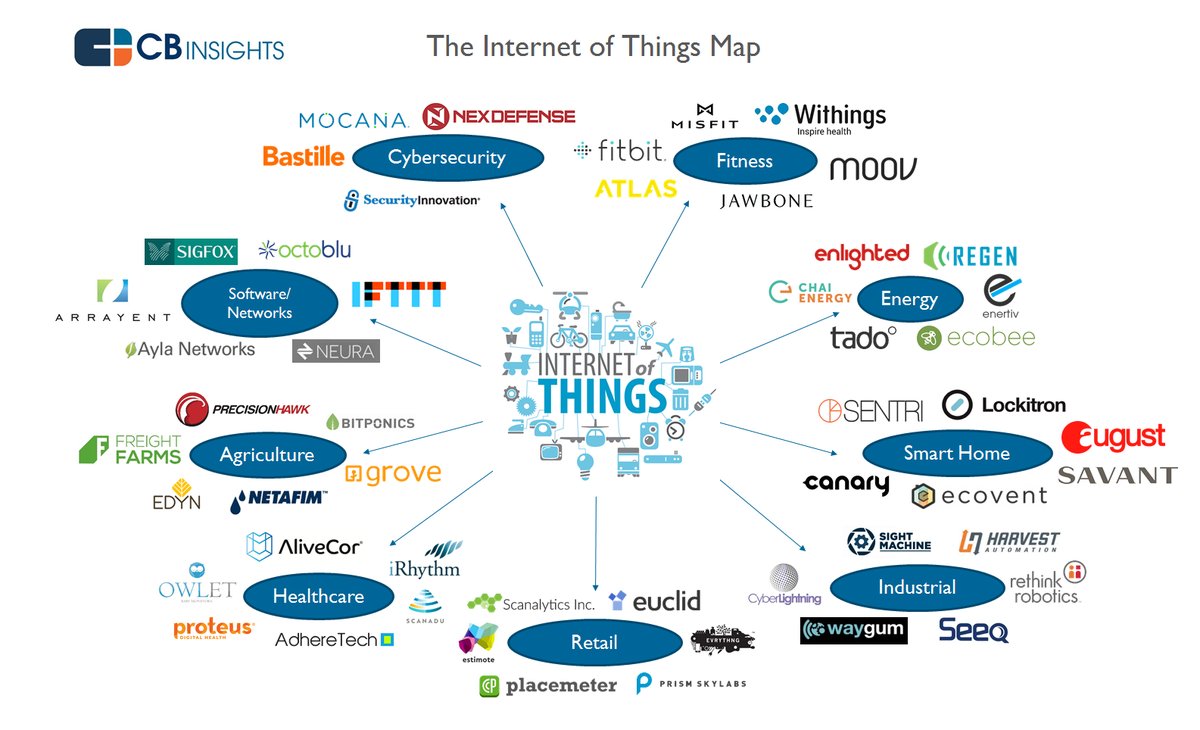
The #IoT map


https://mlprague.com

https://www.hlai-conf.org

https://twitter.com/GoodAIdev


AI

113 enterprise AI companies you should know


===============
www.airbnb.com/new
https://twitter.com/AirbnbData

jupiter's role in the solar system

Deep Space Industries
asteroid mining
www.bloomberg.com/graphics/2018-asteroid-mining

31. prosince 2025

5 jmen, jeden virál: warelay skončil jako OpenClaw

Your own personal AI assistant. Any OS. Any Platform. The lobster way. 🦞

https://github.com/openclaw/openclaw

by Peter Steinberger
https://github.com/steipete


Před koncem roku jsem začal sledovat projekt od Peter Steinberger
ale netušil jsem kam to vystřelí 🚀


Peter Steinberger WaRelay založil cca Dec 4, 2025 (více viz níže na x.com) started like WhatsApp relay 


How Warelay Reached the Viral OpenClaw in 5 Steps

warelay → clawdis → clawdbot → moltbot → openclaw 


Peter Steinberger

Rebrand jako incident: virální příběh OpenClaw od utility k platformě

V lednu 2026 se kolem jednoho open‑source projektu ukázalo něco, co se někdy možná trochu přehlíží: pojmenování nemusí být jen kosmetika.

OpenClaw je "personal AI assistant", který běží na vašich zařízeních a odpovídá přes kanály, které už používáte


OpenClaw is a personal AI assistant you run on your own devices. It answers you on the channels you already use
(WhatsApp, Telegram, Slack, Discord, Google Chat, Signal, iMessage, Microsoft Teams, WebChat),
plus extension channels like BlueBubbles, Matrix, Zalo, and Zalo Personal.
It can speak and listen on macOS/iOS/Android, and can render a live Canvas you control.
README explicitně říká:
"The Gateway is just the control plane — the product is the assistant."

Zdroj: README
https://github.com/openclaw/openclaw/blob/main/README.md


warelay → clawdis → clawdbot → moltbot → openclaw 


Co uživatelé často uvádějí jako výrazný přínos (příklad z praxe):
„hands-free“ zadávání úkolů přes existující kanál
(Siri → iMessage → agent), který pak vrátí návrhy (události, ceny, alternativy)

„tvůj stroj = tvoje pravidla“


Přejmenování z Clawdbot na Moltbot proběhlo po požadavku Anthropic kvůli trademarku spojenému se značkou/mascotem Claude Code;
autor uvádí, že byl slušně „forced“ přejmenovat.
Zdroj: Business Insider
https://www.businessinsider.com/clawdbot-changes-name-moltbot-anthropic-trademark-2026-1

Samotný rebrand vyvolal chaos kolem účtů/napodobování a byl popisován jako bezpečnostní problém, ne jen marketing.
Zdroj: TechRadar
https://www.techradar.com/ai-platforms-assistants/moltbot-briefly-becomes-the-internets-favorite-ai-chatbot-after-chaotic-rebrand

Přechod warelay → CLAWDIS je doložen autorovým veřejným postem na X (datum na stránce může být zobrazeno jen přihlášeným; text je dohledatelný): https://x.com/steipete/status/1996622282580795807

Nezávislý rozhovor uvádí, že Steinberger v lednu udělal přes 6 600 commitů. Zdroj: The Pragmatic Engineer
https://newsletter.pragmaticengineer.com/p/the-creator-of-clawd-i-ship-code 

Původ názvu PSPDFKit jako „Peter Steinberger PDF Kit“ (nikoliv „Post Script“) popisuje firemní blog po rebrandu na Nutrient: https://www.nutrient.io/blog/product-rebrand-pspdfkit-evolution-nutrient-engineering-perspective/ 


Ai remote control GitHub - vždy lepší OpenSource než ClosedCode

https://x.com/search?q=ai%20remote%20control%20github&src=typed_query&f=top


2) Časová osa jmen a co které "jméno" tvořilo či optimalizovalo

Dost pravděpodobný začátek timeline
„WhatsApp Relay“ a některé detaily kroků uvádí článek NxCode  https://www.nxcode.io/resources/news/openclaw-complete-guide-2026

warelay / „WhatsApp relay“

Nejpravděpodobnější motiv: čistě popisná utilita. Jméno říká, co to dělá.

https://github.com/steipete/warelay
a autorův příspěvek o přejmenování.


CLAWDIS
Posun od „funkce“ k „identitě“: kratší název, více brand‑ready.

Popis:
warelay is now CLAWDIS. Stil have to wrap up the release for this one tho... @openclaw added some features. group chat is the winner!
http://clawdis.ai
Had to rename since Telegram support is coming and WhatsApp RELAY really didn't fit anymore.

zdroj
https://x.com/steipete/status/1996622282580795807


Clawdbot

Růstová fáze: jméno, které se možná „přilepí“ a existující pozornost kolem Claude/Clawd.
Cena za růst: riziko kolize s cizím trademarkem.

Kontext: Business Insider
https://www.businessinsider.com/clawdbot-changes-name-moltbot-anthropic-trademark-2026-1


Moltbot

„Molt“ (svlékání krunýře) je chytrá metafora pro růst a současně odstup od kolizního názvu.
Rebrand den ale ukázal, že jméno je i bezpečnostní povrch (účty, typosquatting, scamy).

Kontext: TechRadar
https://www.techradar.com/ai-platforms-assistants/moltbot-briefly-becomes-the-internets-favorite-ai-chatbot-after-chaotic-rebrand


OpenClaw

Stabilizace: „Open“ (open‑source + komunita) a „Claw“ (kontinuita maskota), plus lepší vyslovitelnost než Molt. 

3) Co z #OpenClaw dělá něco víc než „dalšího bota“ 

3.1 Control plane jako designový trik

Většina botů je „jedna integrace“.
OpenClaw si v README vyloženě buduje architekturu:
Gateway je control plane (řízení), produkt je asistent (chování a kompetence). To je užitečná zkratka, protože:
dovoluje přidávat kanály bez změny „produktové identity“;
odděluje bezpečnostní vrstvu (gateway) od agentní vrstvy (asistent);
umožňuje škálovat skrz konfiguraci, onboarding a politiky.

„tvůj stroj = tvoje pravidla“ 

Samozřejmě i tvoje rizika použití beta verze - což bude tak cca do května?
Tzn beta-verzi ale i LLM používej s rozumem

3.2 Bezpečnost není doplněk, ale default

README má explicitní část o tom, že OpenClaw se připojuje na reálné messaging povrchy a příchozí DM je třeba brát jako nedůvěryhodný vstup;
popisuje i defaultní „pairing“ politiku pro neznámé odesílatele a allowlist.
Zdroj:
https://github.com/openclaw/openclaw


4) Možná méně známé souvislosti: proč to dává smysl právě u P. Steinbergera

4.1 Dlouhodobé téma: „hookovat“ chování bez přepisování systému

Steinberger je známý knihovnami pro runtime hooking/swizzling. InterposeKit je „modern library to swizzle elegantly in Swift“ a repozitář je archivovaný (read‑only).
https://github.com/steipete/InterposeKit

Aspects je podobně známá AOP‑like hooking knihovna a také je archivovaná. https://github.com/steipete/Aspects

Interpretace: AI asistent, který se „vkládá“ mezi vás a nástroje/kanály, je konceptuálně stejný druh přemýšlení, jen posunutý z runtime do workflow vrstvy. 

4.2 Rebrand není nová zkušenost

U rebrandu PSPDFKit → Nutrient je v blogu vysvětlen původ názvu
(Peter Steinberger PDF Kit) i to, proč se starý název stal limitující po rozšíření portfolia.
www.nutrient.io/blog/product-rebrand-pspdfkit-evolution-nutrient-engineering-perspective/ 

4.3 Tempo jako faktor rizika

Nezávislý rozhovor (Pragmatic Engineer) uvádí přes 6 600 commitů v lednu. Takové tempo zvyšuje šanci, že se „provozní“ věci (naming, bezpečnost účtů, domény) budou řešit až ve chvíli, kdy už hoří. https://newsletter.pragmaticengineer.com/p/the-creator-of-clawd-i-ship-code


5) Lekce, kdo může možná zítra „zvirálnět“

Pokud jste již relativně zkušený tak připravte rebrand jako release, ne jako tweet.

Doména, GitHub.org, npm balíček, X handle: zajistit dopředu.

Redirecty a migrační skripty: mít hotové předem.

V rebrand okně minimalizovat „gap“, kdy je handle volný.

Threat model pro jméno.

Typosquatting (balíčky, domény), falešné repozitáře, fake rozšíření do editorů.

V době AI nástrojů se navíc přidává „impersonation“ přes scamy na sociálních sítích.

Kontext: TechRadar
https://www.techradar.com/ai-platforms-assistants/moltbot-briefly-becomes-the-internets-favorite-ai-chatbot-after-chaotic-rebrand

Trademark kolize je otázka pravděpodobnosti, ne morálky.

Pokud název připomíná velkou značku, v okamžiku úspěchu se kolize materializuje.

Steelman (3 férové pohledy):

A) ochrana proti záměně značky/phishingu,

B) brzdění open‑source inovace a přesun nákladů na autora,

C) pragmatická domluva bez eskalace, ale i tak je rebrand rizikový.

Kontext: Business Insider
https://www.businessinsider.com/clawdbot-changes-name-moltbot-anthropic-trademark-2026-1


Jedna architektonická věta, která drží celý projekt pohromadě.

„Gateway je control plane“ je příklad: pomáhá uživatelům, médiím i contributorům.


6) Závěr

Pět jmen v řadě vypadá jako chaos.
Z jiného úhlu je to rychlý „kurz reality“: jméno určuje, kdo vás najde a kdo vás může napodobit;
jméno určuje, s kým se srazíte právně;
jméno určuje, jestli rebrand bude hladký, nebo se z jména skoro stane bezpečnostní incident.

OpenClaw je proto zajímavý nejen jako nástroj, ale jako případová sonda o tom, jak se open‑source projekt stává infrastrukturou.


Vybrané zdroje:

https://github.com/openclaw/openclaw

https://www.businessinsider.com/clawdbot-changes-name-moltbot-anthropic-trademark-2026-1

https://www.techradar.com/ai-platforms-assistants/moltbot-briefly-becomes-the-internets-favorite-ai-chatbot-after-chaotic-rebrand

https://newsletter.pragmaticengineer.com/p/the-creator-of-clawd-i-ship-code

https://www.nutrient.io/blog/product-rebrand-pspdfkit-evolution-nutrient-engineering-perspective/

https://x.com/steipete/status/1996622282580795807

https://www.nxcode.io/resources/news/openclaw-complete-guide-2026

https://github.com/steipete/InterposeKit

https://github.com/steipete/Aspects


https://www.reddit.com/r/openclaw


CodexBar

https://github.com/steipete/CodexBar


Ai only SocialNetwork
www.moltbook.com


NEWS  


This Viral AI Project Went From Side Hustle to Coveted Prize in Three Months

After a fierce competition between the biggest AI labs, OpenAI hired the creator of the viral OpenClaw personal AI assistant platform


Timestamps: 0:00 - Episode highlight 1:30 - Introduction 5:36 - OpenClaw origin story 8:55 - Mind-blowing moment 18:22 - Why OpenClaw went viral 22:19 - Self-modifying AI agent 27:04 - Name-change drama 44:15 - Moltbook saga 52:34 - OpenClaw security concerns 1:01:14 - How to code with AI agents 1:32:09 - Programming setup 1:38:52 - GPT Codex 5.3 vs Claude Opus 4.6 1:47:59 - Best AI agent for programming 2:09:59 - Life story and career advice 2:13:56 - Money and happiness 2:17:49 - Acquisition offers from OpenAI and Meta 2:34:58 - How OpenClaw works 2:46:17 - AI slop 2:52:20 - AI agents will replace 80% of apps 3:00:57 - Will AI replace programmers? 3:12:57 - Future of OpenClaw community


Peter Steinberger
steipete · he/they

📍 Vienna ↔ London | 🤖 Polyagentmorous builder | 🚀 Ex-PSPDFKit Founder


You must use AI! Don’t use AI!


OpenClaw 
OpenClow ?